September 18, 2026
Beyond the Classroom: How Performance-Based Learning Builds Discipline, Confidence and Resilience
By Ralph S. Opacic, Ed.D.
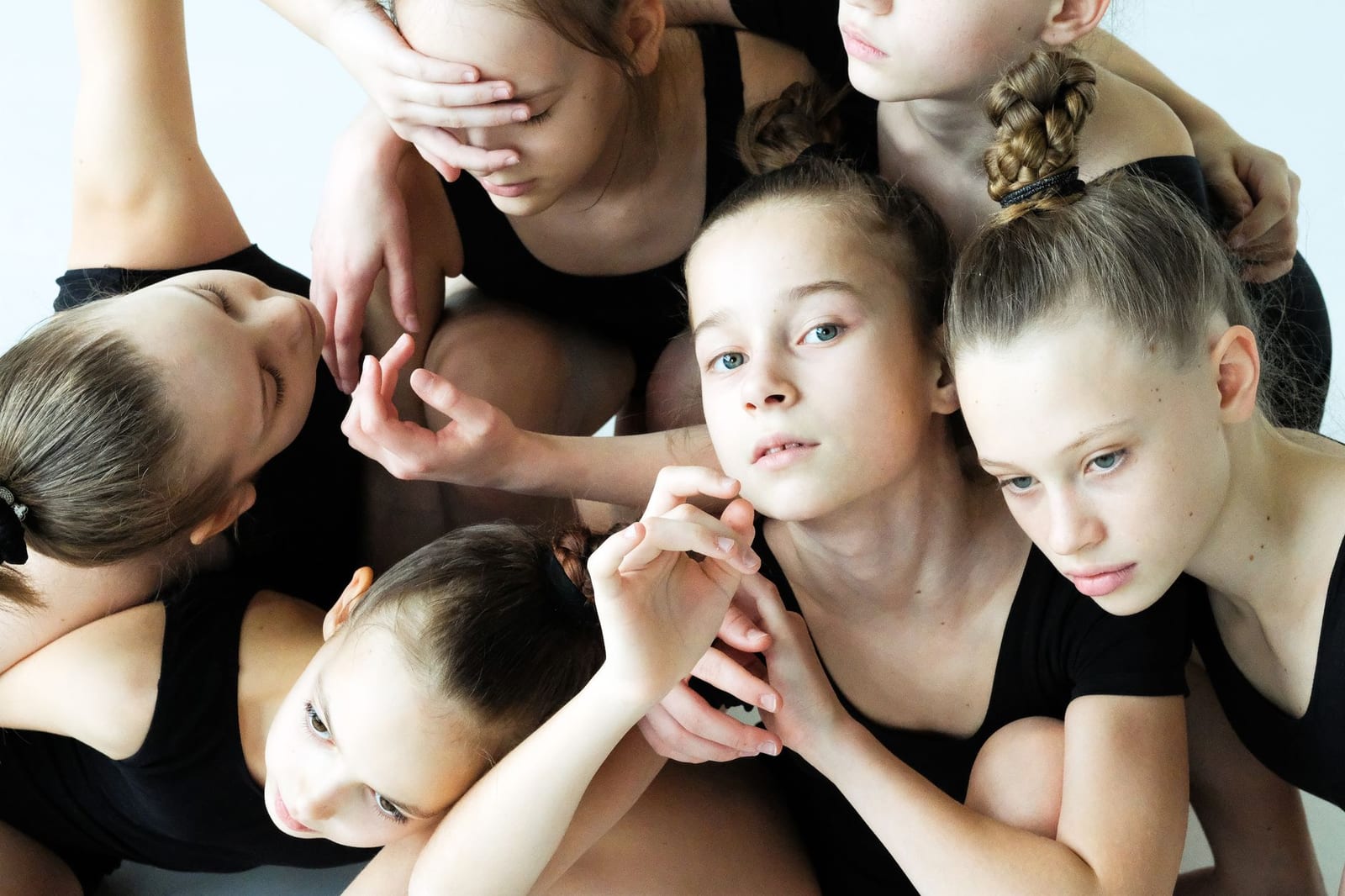
When a young person walks onto a stage, the audience sees the finished product. What they do not see is everything that happened beforehand. They do not see the hours of practice, the corrections, the mistakes, the repetition, the moments of frustration, or the decision to try again.
Having spent much of my career working in education, I have come to appreciate that this process may be just as important as the final performance. Learning to sing, play an instrument, dance, act, or develop another creative discipline can teach young people lessons that extend far beyond the activity itself. It can teach them how to work toward a difficult goal, respond to feedback, collaborate with others, and remain committed when progress is gradual.
The Discipline of Deliberate Practice
Talent can provide an important starting point, but meaningful development requires practice. Students quickly discover that improvement is rarely instantaneous. A difficult musical passage may require dozens of repetitions. A dance sequence may need to be practiced until movement becomes precise. A performer may have to rehearse the same material repeatedly before it feels natural.
That experience introduces children to a principle that is valuable throughout life: effort accumulates.
Research into music training has identified relationships between structured musical instruction and several aspects of executive function, including inhibitory control, working memory, and cognitive flexibility. A systematic review of 29 studies involving children found evidence of potential benefits, while also emphasizing substantial variation among the studies and the need for careful interpretation.
The lesson is not that every child who studies music will automatically become more disciplined. Rather, structured instruction creates repeated opportunities to practice discipline. The student has to arrive, pay attention, remember what was taught, practice between sessions, and return prepared to improve.
Learning to Respond to Failure
One of the most valuable lessons a young person can learn is that making a mistake is not the same thing as failing.
In a classroom, a wrong answer may simply be marked incorrect. In a rehearsal, however, a mistake becomes something a student can hear, see, analyze, and correct. That process can transform the way a young person understands difficulty.
The question becomes less about, “Why can't I do this?” and more about, “What do I need to change?”
That shift matters. It encourages reflection rather than defeat and teaches students to regard feedback as information. They learn that correction is part of development rather than evidence that they lack ability.
This is one reason I believe educators should create environments in which young people are challenged without being defined by their mistakes.
Confidence Is Built Through Preparation
Confidence is sometimes treated as though it is something a child either possesses or lacks. In my experience, genuine confidence is often much more closely connected to preparation.
A student who has practiced a piece repeatedly, received instruction, corrected mistakes, and eventually mastered difficult material has evidence upon which to build confidence. That confidence is different from simply being told that they are talented. It comes from having experienced the process of becoming more capable.
Research examining music education has also identified potential relationships between structured musical experiences and children's emotional and social development. A systematic review of studies involving children ages three to twelve reported findings involving emotional expression, self-efficacy, social skills, empathy, and prosocial behavior, although the researchers also noted differences among the studies and called for continued research.
For educators, that distinction is important. Our responsibility is not simply to praise young people. It is to give them meaningful opportunities to develop competence.
Learning to Work With Other People
Many forms of performance require students to become part of something larger than themselves.
A choir cannot function if every singer follows a different tempo. An ensemble depends upon individuals listening to one another. A theatrical production requires performers, musicians, technicians, directors, and instructors to coordinate their efforts. Dance often requires students to understand both their individual movements and their relationship to the people around them.
These experiences create practical lessons in communication and cooperation.
Students learn that being part of a group does not mean disappearing as an individual. Instead, it means understanding how an individual contribution can strengthen a larger outcome.
Research has found potential social and emotional benefits associated with music education, including empathy, teamwork, emotional awareness, and prosocial skills.
Preparing Young People for More Than a Performance
Ultimately, I do not believe the greatest value of performance-based education can be measured solely by what happens on a stage.
The deeper value is found in everything that leads to that moment.
A student learns to prepare. A student learns to listen. A student learns to accept criticism. A student learns to persist when something is difficult. A student learns that improvement takes time and that other people are often essential to achieving a shared goal.
Those lessons can follow a young person into higher education, professional life, relationships, and countless situations that have nothing to do with performing.
Education should prepare young people not only to demonstrate what they know, but to become people who can continue learning when they encounter something they do not yet know.
That is why I have always believed in giving students opportunities to pursue meaningful disciplines seriously. The performance may last a few minutes, but the habits developed in preparing for it can remain with a young person for decades.