September 18, 2026
The Developing Brain: What Children Gain From Music and Creative Learning
By Ralph S. Opacic, Ed.D.
When we talk about educating children, we often focus on what they are expected to know. We measure reading comprehension, mathematics, science, history, and other academic disciplines. Those subjects are essential, but I have always believed that education should also consider something more fundamental: how children learn to think, concentrate, adapt, communicate, and solve problems.
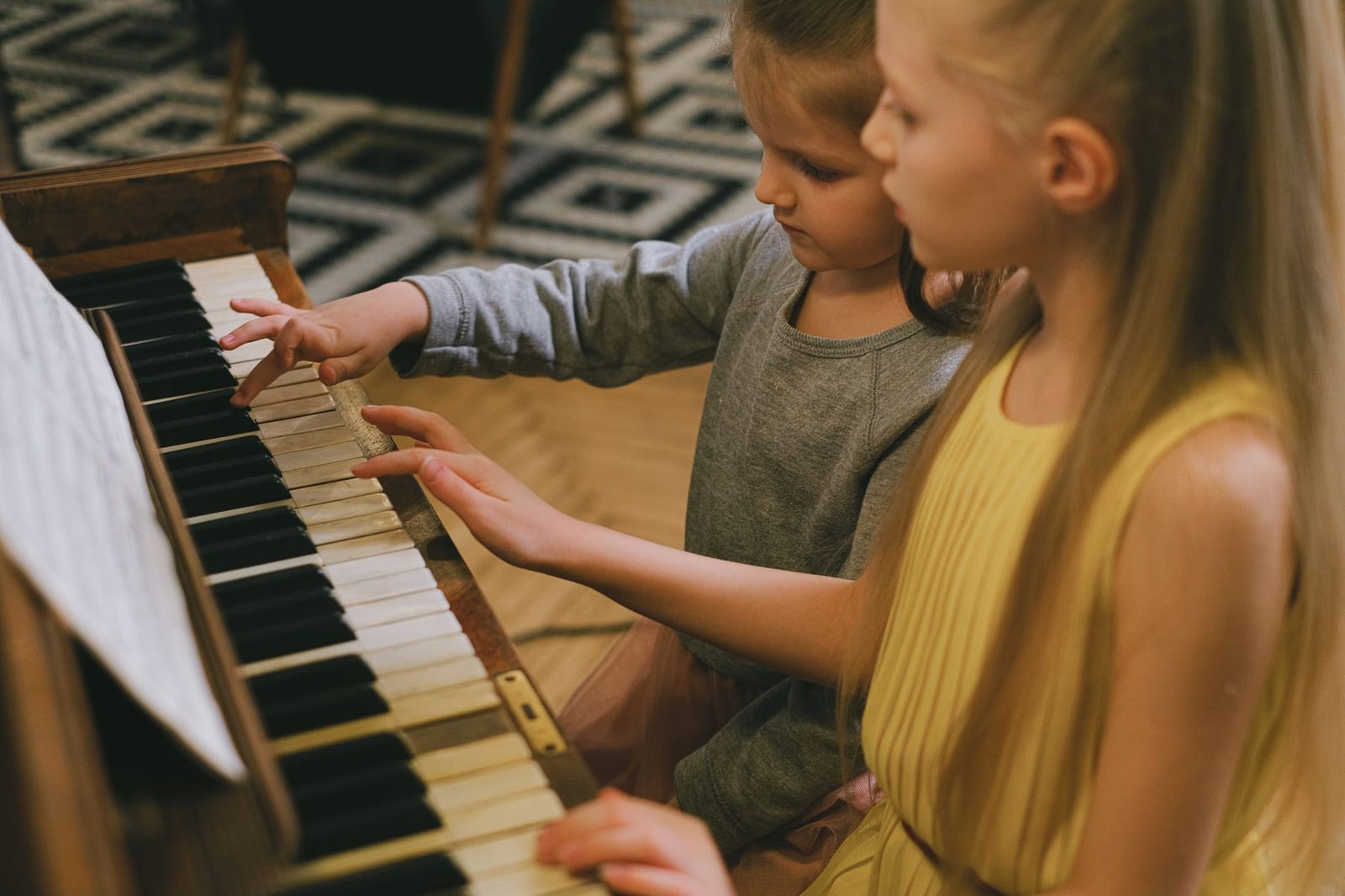
My experience in education has shown me that music and other creative disciplines can provide an unusually rich environment for developing these abilities. A child learning an instrument, rehearsing a musical passage, learning choreography, or preparing for a performance is not simply acquiring a specialized skill. That child is continually listening, remembering, coordinating, adjusting, and making decisions.
Understanding Executive Function
Modern research is beginning to give us a more detailed understanding of why these experiences can matter.
One area of particular interest is executive function, a group of cognitive processes that help us regulate attention and behavior, retain information, shift between tasks, and respond appropriately to changing circumstances. These abilities are important throughout childhood because they support learning well beyond any single classroom subject.
A 2022 systematic review examining 29 studies of music training in children found evidence suggesting beneficial effects on executive function, particularly inhibitory control, with additional findings involving working memory and cognitive flexibility. The researchers also emphasized that the studies varied considerably in their methods and interventions, which is an important reminder that we should interpret the findings thoughtfully rather than make sweeping claims.
Learning Through Complexity
That complexity is important.
Consider what happens when a student learns to perform a piece of music. The student must remember sequences, distinguish sounds, maintain a sense of timing, coordinate physical movement, monitor mistakes, and continue despite distractions. With practice, those actions become increasingly coordinated. The experience requires the brain to manage several streams of information at once.
Working memory is another particularly interesting area. It allows us to temporarily hold information in mind while using it. In a classroom, that might mean remembering a set of instructions while completing an assignment. In music, it might mean remembering a sequence of notes, rhythms, dynamics, or movements while simultaneously responding to what is happening in the moment.
The Role of Practice and Self-Regulation
More recent research has continued to investigate this relationship. A 2024 systematic review and meta-analysis examining longitudinal studies found that music training was associated with improvements in inhibitory control, a cognitive ability closely connected to self-regulation.
This relationship makes intuitive sense when we consider what disciplined practice requires. Students must listen carefully, recognize when something is incorrect, resist the temptation to become frustrated, and attempt the task again. Progress rarely happens in a single session. It develops through repetition, attention, adjustment, and persistence.
Those habits have significance beyond a rehearsal room or classroom. The ability to remain focused on a difficult task, recognize an error, accept feedback, and try again is useful throughout education and, eventually, throughout professional life.
Looking Beyond the Idea of “Smarter”
None of this means that learning an instrument automatically makes a child more intelligent, and I would be cautious about anyone who makes such a promise. Research in this field is encouraging, but findings vary according to the type and duration of instruction, the age of the students, and the methodology used to study outcomes.
For me, the more meaningful question is not whether music produces a measurable increase in intelligence. It is what children experience while learning.
They experience concentration. They experience repetition. They experience mistakes and correction. They learn to listen carefully and respond deliberately. They discover that improvement usually comes through sustained effort rather than immediate success. They learn how individual contributions fit within a larger group.
Education as Development
These lessons have value because they belong to the broader process of developing a capable, adaptable young person.
This is one reason I have remained passionate about creating educational environments in which students can pursue music, movement, performance, and other creative disciplines seriously. My own career began with music education, and over the decades I have watched students discover abilities they did not initially recognize in themselves.
Education should certainly give young people knowledge. But it should also give them opportunities to practice thinking, creating, communicating, persevering, and responding to challenges.
When we give children those opportunities, we are not simply teaching them what to do with a song, a performance, or a creative project. We are giving them another way to learn how to use their minds.