October 19, 2026
What I Changed My Mind About After Years Behind the Audition Table
By Ralph S. Opacic, Ed.D.
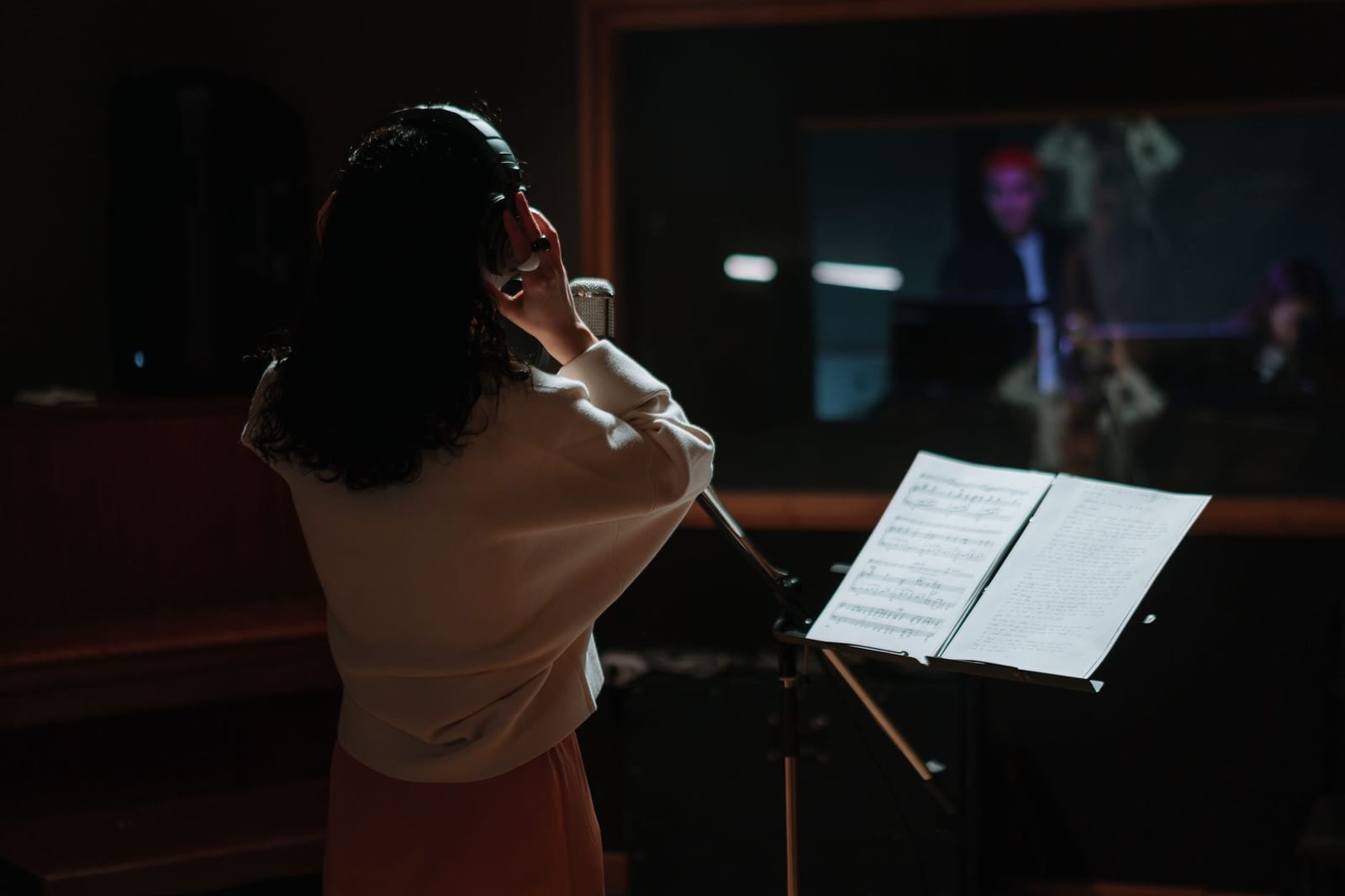
The Judgment I Made Too Fast
Early in my career, I sat behind an audition table and listened to a twelve-year-old sing eight bars of a song. Her pitch was shaky. Her breath control was weak. I wrote a low score and moved to the next student.
I was wrong about her. I found that out four years later, when she walked across a stage and sang better than half the seniors in the room. She had spent those four years working harder than anyone I had scored higher that day.
That single memory changed how I think about talent, and it took me a long time to admit it.
What I Used to Look For
For years, I judged auditions the way most people do. I listened for the voice that already sounded finished. I watched for the dancer whose technique looked clean without much coaching. I assumed that whoever arrived the most polished would end up the most successful.
That assumption is easy to make, because a polished twelve-year-old is fun to watch. A rough one is not. But polish at twelve tells you almost nothing about where someone will be at eighteen.
What Changed My Mind
I got to watch the same students for years at a time, from their first audition through graduation. That is not a common vantage point. Most teachers see a student for one class or one season. I saw entire cohorts grow up inside the same building.
Once I could track outcomes over years instead of minutes, the pattern became obvious. The students who ended up strongest were rarely the ones who sounded best on day one. They were the ones who showed up early, asked for extra feedback, and treated a bad rehearsal as information instead of a verdict.
The Student Who Almost Didn't Get In
One student auditioned with a voice that cracked twice during a scale. A colleague wanted to pass on her entirely. We took her on a lower track instead of the top one. Within two years, she had outworked students who started well ahead of her. By her final year, she was carrying leads. Nothing about her instrument explained that. Her habits did.
I have watched that story repeat itself often enough that I no longer treat it as an exception. I treat it as the rule I almost missed.
What I Look for Now
I still care about ability. Nobody builds a career in the arts on effort alone. But I no longer weigh raw ability as heavily as I once did, and I have replaced some of that weight with questions about behavior.
Does the student ask questions after a note, or just nod and move on? Do they come back to the next rehearsal having actually practiced the correction, or having practiced the same mistake? Do they get quieter after a hard critique, or do they get more focused?
Those answers predict four years of growth far better than a single audition does. Ability tells you where someone starts. Behavior tells you how far they travel.
What This Means If You Are the One Being Judged
If you are a student, or a parent watching your child get scored in a room like that, do not build your sense of what is possible around one afternoon's result. A rough audition is a snapshot, not a forecast. I have seen the snapshot be wrong too many times to trust it the way I once did.
If you are the one doing the judging, ask yourself what you are actually trying to predict. If you are trying to predict who sounds best today, keep doing what you are doing. If you are trying to predict who will be strongest in four years, you need a different set of questions, and most of them have nothing to do with pitch or technique.
I spent the first part of my career answering the wrong question well. I would rather spend the rest of it answering the right one, even imperfectly.